

Assam State Zoo cum Botanical Garden is a state-run zoo and botanical garden on R.G. Baruah Road in Guwahati, Assam. Its animal exhibits, plant collections and natural forest make it a substantial city visit, with a day-long tour considered sufficient for exploring the grounds.
- Location: R.G. Baruah Road, P.O. Dispur, Guwahati 781005, Assam.
- From a three-star hotel in Guwahati, the zoo is about 23 minutes by car.
- It is open throughout the year except Fridays; daily opening and closing times are not stated.
- Check Assam Tourism's official site before you go for current hours and ticket details.
What can you see at Assam State Zoo cum Botanical Garden?
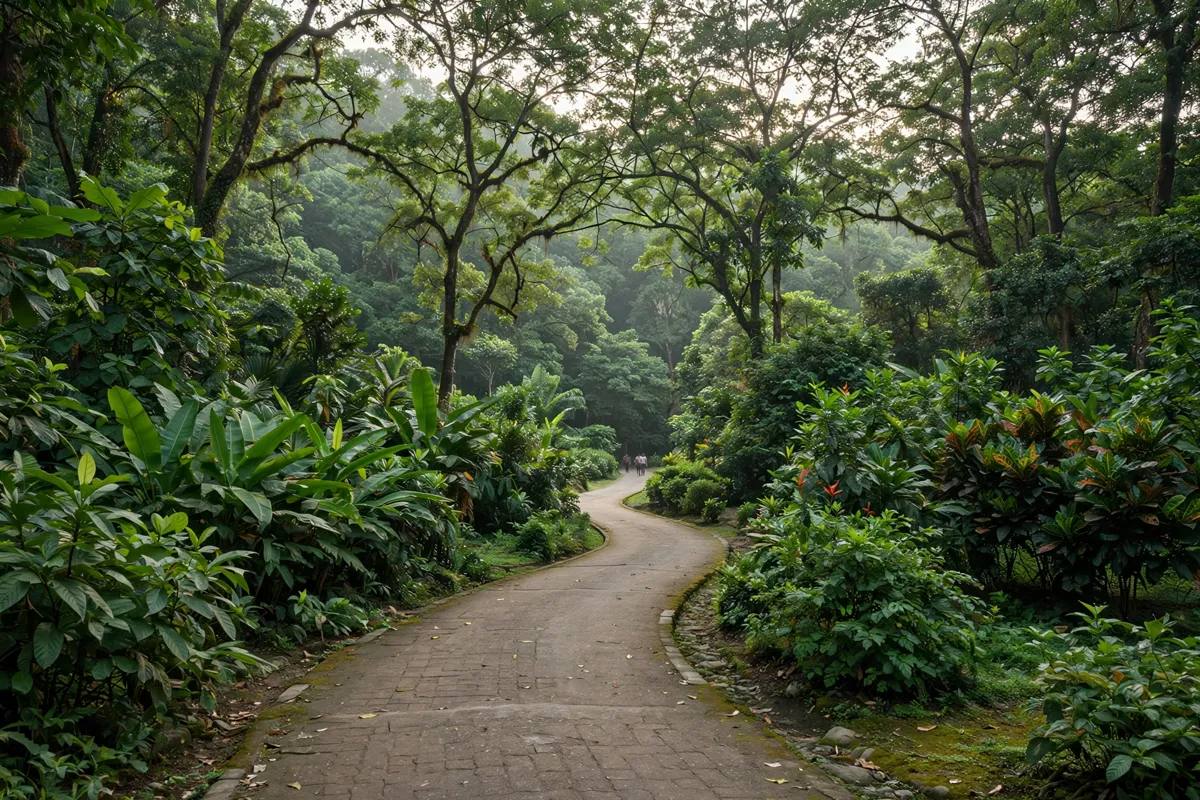
Assam State Zoo cum Botanical Garden brings together animal exhibits, botanical collections and natural forest in one large campus. The zoo was established in 1957 and opened to the public in 1958.
The Assam Forest Department describes the campus as covering 1.75 square kilometres, including approximately 110 hectares of natural forest. Its highlights include a museum, a reptile house, a herbarium collection and a botanical garden, alongside animal exhibits.
North-East Indian species include the one-horned rhinoceros, hoolock gibbon, golden langur, slow loris, clouded leopard and sangai. Exotic species include giraffe, hippopotamus, hybrid lion and African white rhino.
The plant collection gives the garden its own reason to take your time. The campus has 345 plant species and the botanical garden has 280 exotic plant species, including 40 orchid species, 10 bamboo species and 12 palm species. The museum can also fit into a wider cultural visit alongside the Assam State Museum in Guwahati.
How should you plan a route through the grounds?
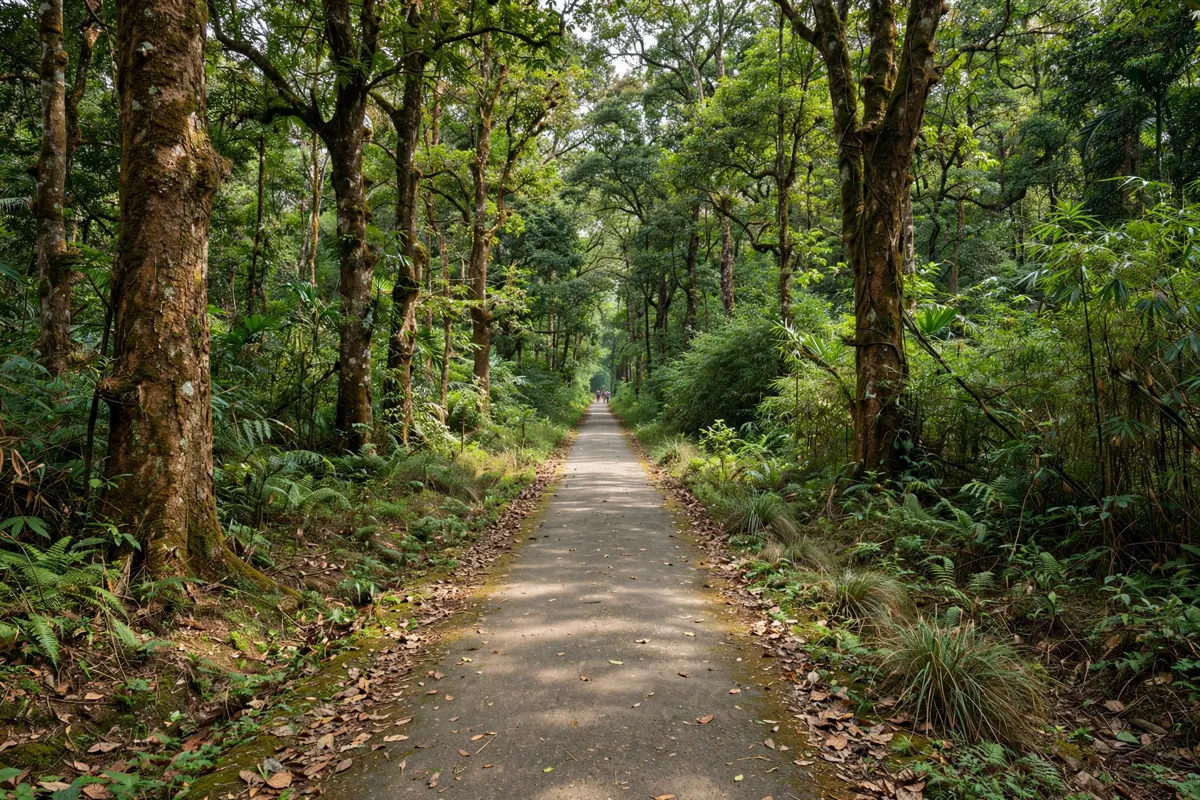
A day-long visit is considered sufficient to explore the zoo, so plan for a full day rather than trying to fit every area into a brief stop. The grounds combine animal exhibits with a botanical garden, natural forest, a reptile house and a museum.
Start by checking the zoo’s guide map, available as a visitor resource. You can use it to orient yourself and choose how to move between the exhibits and garden areas. Visitor amenities include signage, drinking water, toilets, resting shelters, juice stalls and waste bins.
For a broader city plan, the zoo can be one part of a day in Guwahati alongside other central-city sights. A practical one-day Guwahati itinerary can help you think about how the zoo fits into a wider visit.
How do you get to the zoo from central Guwahati?
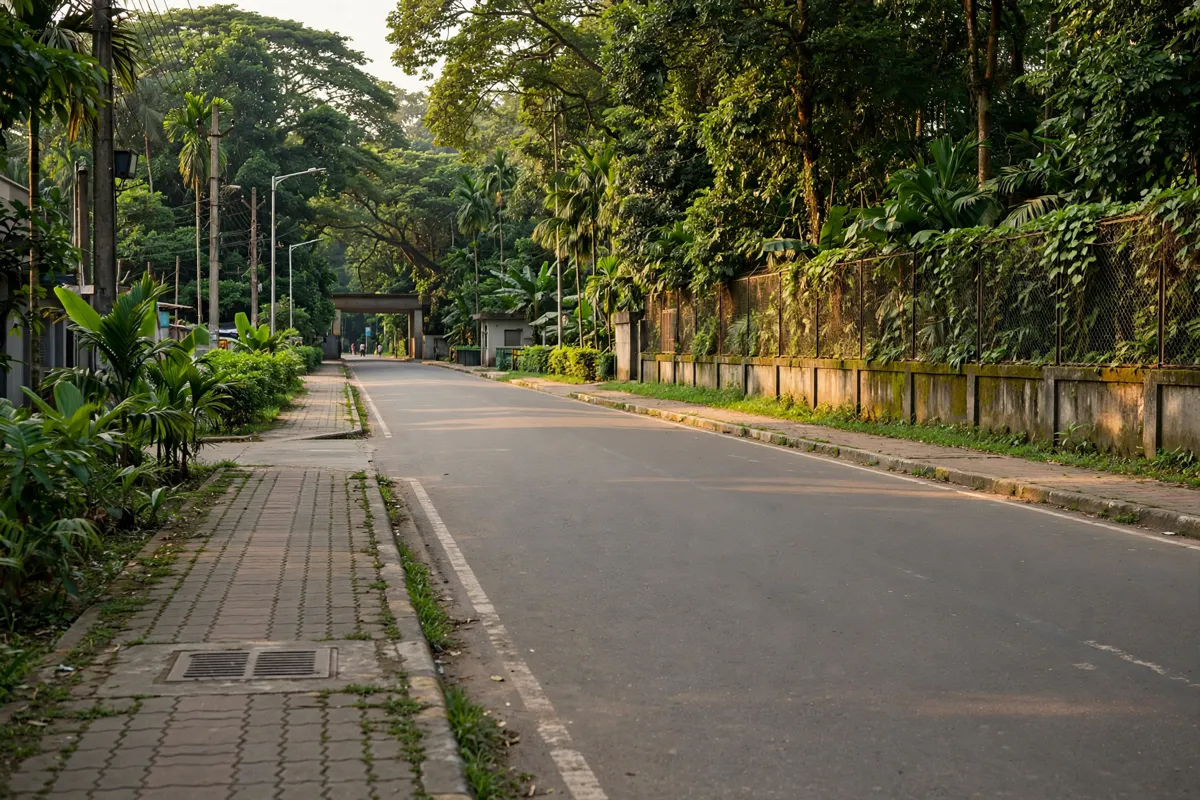
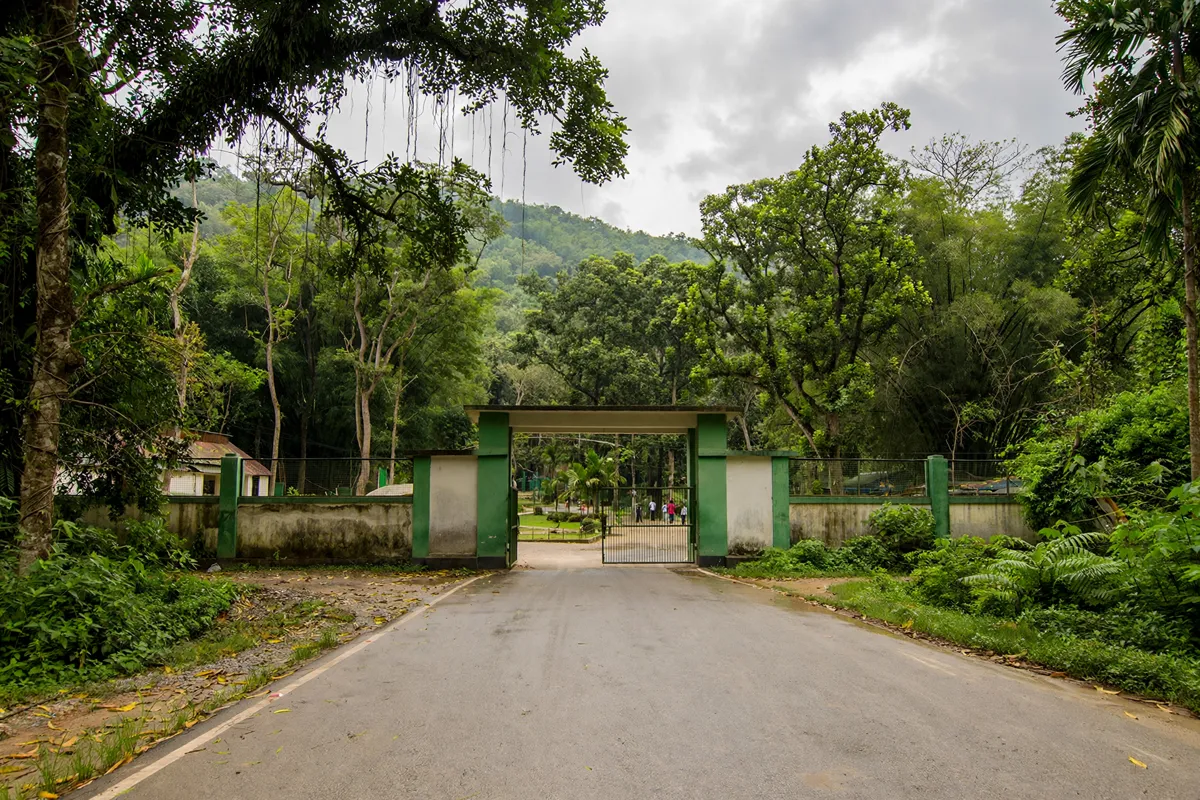
The zoo is at R.G. Baruah Road, P.O. Dispur, Guwahati 781005, Assam. The zoo entrance is the nearest local city bus stand, making it a clear reference point when arranging local transport.
The zoo is about 23 minutes by car or about 53 minutes on foot from the hotel. Check your chosen route and local transport options before setting out.
For wider connections, Lokpriya Gopinath Bordoloi International Airport is 27 km away, Paltanbazar Railway Station is 6.6 km away and ISBT is 12.8 km away. These are distances to the zoo, not travel times, so allow for the transport arrangements you choose.
Opening hours, tickets and visitor rules
Assam Tourism says the zoo is open throughout the year except Fridays, but does not give daily opening or closing times. Check Assam Tourism's official site before you go for current hours and ticket details.
Opening hours
- Monday to Thursday, Saturday and Sunday: 8:00–16:30
- Friday: closed
Last checked November 2026. Hours can change on holidays and for special events.
Confirm ticket prices and visitor rules with the official source before your visit.
FAQs
Is Assam State Zoo open on Fridays?
Open Saturday to Thursday; closed Friday. No. Assam Tourism says the zoo is open throughout the year.
How much time should you allow for the zoo?
Assam Tourism says a day-long tour is sufficient to explore the zoo.
What kinds of plants are in the botanical garden?
The garden includes orchid, bamboo and palm species, as well as exotic plants. It has 40 orchid species, 10 bamboo species and 12 palm species.
What amenities are available at the zoo?
Amenities include drinking water, toilets, resting shelters, juice stalls, signage and waste bins.